Food Processor vs Blender: What’s the Difference and Which One Do You Need?
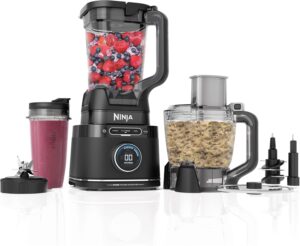
When shopping for kitchen appliances, many homeowners and cooking enthusiasts ask the same question: what’s the difference between a food processor and a blender? Although these two appliances may appear similar at first glance, they are designed for very different purposes. Choosing the wrong one can lead to disappointing results, while choosing the right one can transform your cooking experience.
At kitchensuppliesstore.com, our goal is to help you make informed decisions by understanding how kitchen tools actually work. In this guide, we’ll explore the key differences between a food processor and a blender, including their functions, performance, capacity, versatility, and ideal use cases. By the end of this article, you’ll know exactly which appliance suits your cooking style.
Understanding the Core Purpose of Each Appliance
The primary difference between a food processor and a blender lies in what they are designed to do.
A food processor is built for preparing solid and semi-solid foods. Its main purpose is to assist with tasks that would otherwise take a lot of time when done by hand. These tasks include chopping, slicing, shredding, grating, and mixing. It is a true multitasking appliance, often used during the preparation stage of cooking.
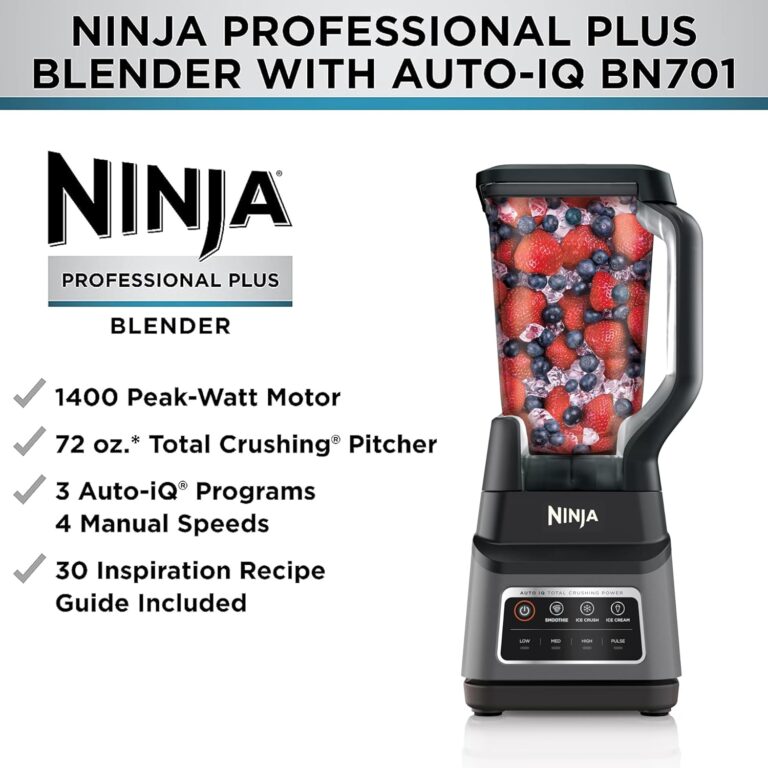
A blender, in contrast, is designed for liquid-based blending. Its strength is turning ingredients into smooth, pourable textures. This makes it ideal for drinks, soups, sauces, and purées where consistency and smoothness matter more than texture control.
Design Differences: Bowl vs Jar
Design plays a major role in how each appliance performs.
A food processor typically features a wide, shallow bowl. This design allows ingredients to spread out evenly, ensuring consistent processing. The wider surface area makes it easier to chop vegetables uniformly or mix thick ingredients without adding liquid.
A blender uses a tall, narrow jar. This shape creates a powerful vortex that pulls ingredients down toward the blades. It works exceptionally well for liquids, frozen ingredients, and soft foods but struggles with dry or chunky ingredients unless liquid is added.
Blade Types and Attachments
Blade configuration is another key difference.
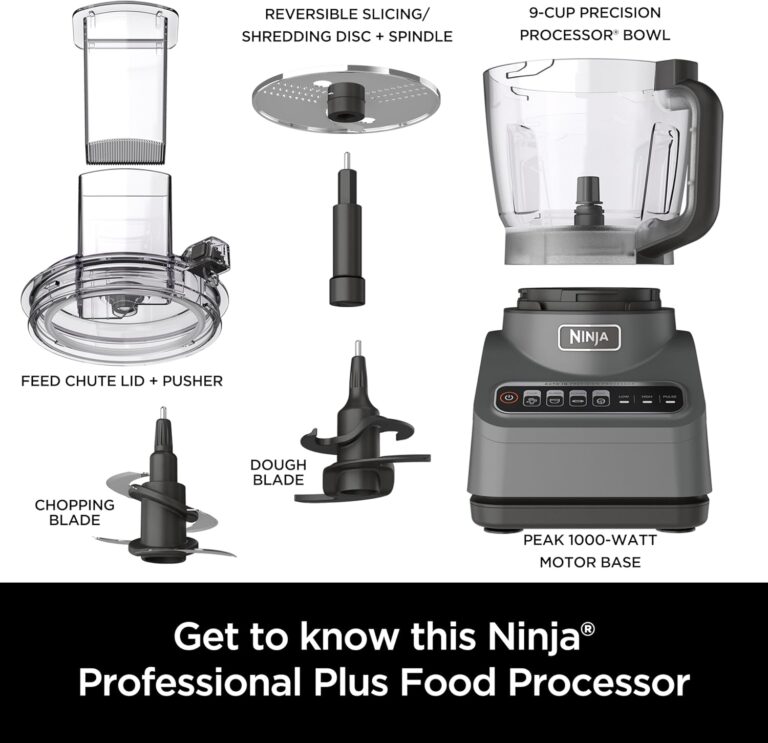
Food processors usually come with multiple blades and discs, including:
S-shaped chopping blades
Slicing discs for vegetables
Shredding discs for cheese or cabbage
Dough blades for kneading
These interchangeable attachments make food processors extremely versatile and suitable for a wide range of kitchen tasks.
Blenders typically have fixed blades at the bottom of the jar. These blades are optimized for speed and power rather than precision. While they excel at breaking down ingredients quickly, they offer limited control over texture.
Texture Control and End Results
Texture is one of the most important factors when choosing between these two appliances.
A food processor allows you to control the texture of your ingredients. You can stop processing as soon as you achieve coarse chops, fine mincing, or even mixing. This level of control is essential for recipes like salsa, coleslaw, chopped salads, or pastry dough.
A blender is designed to create smooth and consistent results. Once blending starts, ingredients are quickly broken down into a uniform texture. This is perfect for smoothies, creamy soups, and sauces but less ideal when you want visible pieces or variation in texture.
Typical Uses for a Food Processor
A food processor is ideal for home cooks who prepare meals regularly and value efficiency. Common uses include:
Chopping onions, garlic, and herbs
Slicing vegetables for stir-fries or salads
Shredding cheese or vegetables
Mixing thick dips like hummus or pesto
Kneading dough for bread or pizza
Because it handles prep work so efficiently, a food processor can significantly reduce cooking time.
Typical Uses for a Blender
A blender shines in recipes that require smoothness and speed. Common uses include:
Smoothies and protein shakes
Puréed soups
Sauces and salad dressings
Frozen drinks and crushed ice
Pancake and waffle batters
If your daily routine includes beverages or liquid-based meals, a blender is an essential kitchen tool.
Performance and Motor Power
Although both appliances rely on electric motors, they apply power differently.
Food processors use steady, controlled power to handle dense and tough ingredients. This makes them suitable for slicing carrots, chopping nuts, or mixing dough without overheating.
Blenders often operate at higher speeds, delivering intense power to liquefy ingredients quickly. This high-speed operation is what allows them to break down frozen fruit and ice into smooth blends.
Capacity and Batch Size
Capacity is another important factor to consider.
Food processors usually come with larger bowls, making them suitable for families or batch cooking. They are ideal for preparing ingredients for multiple meals at once.
Blenders typically have smaller jars, which work well for individual servings or small batches. While larger models exist, most are optimized for drinks and liquids rather than large-scale food prep.
Ease of Cleaning and Maintenance
Cleaning convenience can influence how often you use an appliance.
Blenders are generally easier to clean because they have fewer parts. Many jars are dishwasher-safe, and some models can even clean themselves with warm water and soap.
Food processors have more components, including blades and discs, which require careful handling. However, many parts are also dishwasher-safe, and the added cleaning effort is often worth the versatility they offer.
Noise Level and Energy Efficiency
Noise is another practical consideration.
Food processors tend to be quieter because they operate at lower speeds. Blenders, especially high-powered models, can be significantly louder due to their fast motors.
In terms of energy use, both appliances are efficient for their intended tasks. However, using the right appliance for the right job can prevent unnecessary energy consumption.
Can One Replace the Other?
Many shoppers wonder if one appliance can replace the other. While there is some overlap, neither appliance can fully substitute for the other.
A food processor can handle some blending tasks, such as making thick sauces, but it struggles to achieve ultra-smooth results. A blender can chop small amounts of soft ingredients, but it lacks the precision and attachments needed for slicing or shredding.
For many kitchens, owning both provides the greatest flexibility.
Which One Should You Choose?
Choose a food processor if:
You cook meals from scratch often
You work with vegetables, dough, and solid ingredients
You value precision and versatility
Choose a blender if:
You enjoy smoothies, soups, and drinks
You need smooth, liquid textures
You want a simple, easy-to-use appliance
At kitchensuppliesstore.com, you’ll find a wide range of options designed to suit every cooking style and budget.
Buying Tips for First-Time Shoppers
When shopping for either appliance, consider the following:
Motor power and durability
Bowl or jar capacity
Available attachments
Ease of cleaning
Storage space
Investing in a quality appliance ensures better performance and long-term value.
Final Thoughts
Understanding the difference between a food processor and a blender is essential for building an efficient kitchen. One excels at preparation and texture control, while the other delivers smooth and consistent blends. By choosing the appliance that matches your cooking habits, you’ll save time, reduce effort, and achieve better results.
Whether you’re upgrading your kitchen or buying your first appliance, kitchensuppliesstore.com is your trusted source for reliable, high-quality kitchen tools designed to make cooking easier and more enjoyable.